|
66
Rhoda M. Dorsey
Hopkins, Pratt, and Garrett began the careers that were to bring them wealth and fame. Much of the trading, however, continued in the hands of older established houses. This meant that, given the hothouse growth of Baltimore in the early war years, it was perfectly possible for a merchant to have seen Baltimore come from almost nothing to the wartime boom, and then live and work completely through the postwar decade. Perhaps because of the ingrained habits of such a merchant group and certainly because of the nature of both the local market and the local goods available for trading, the old pattern of trade did not alter significantly in the postwar decade.
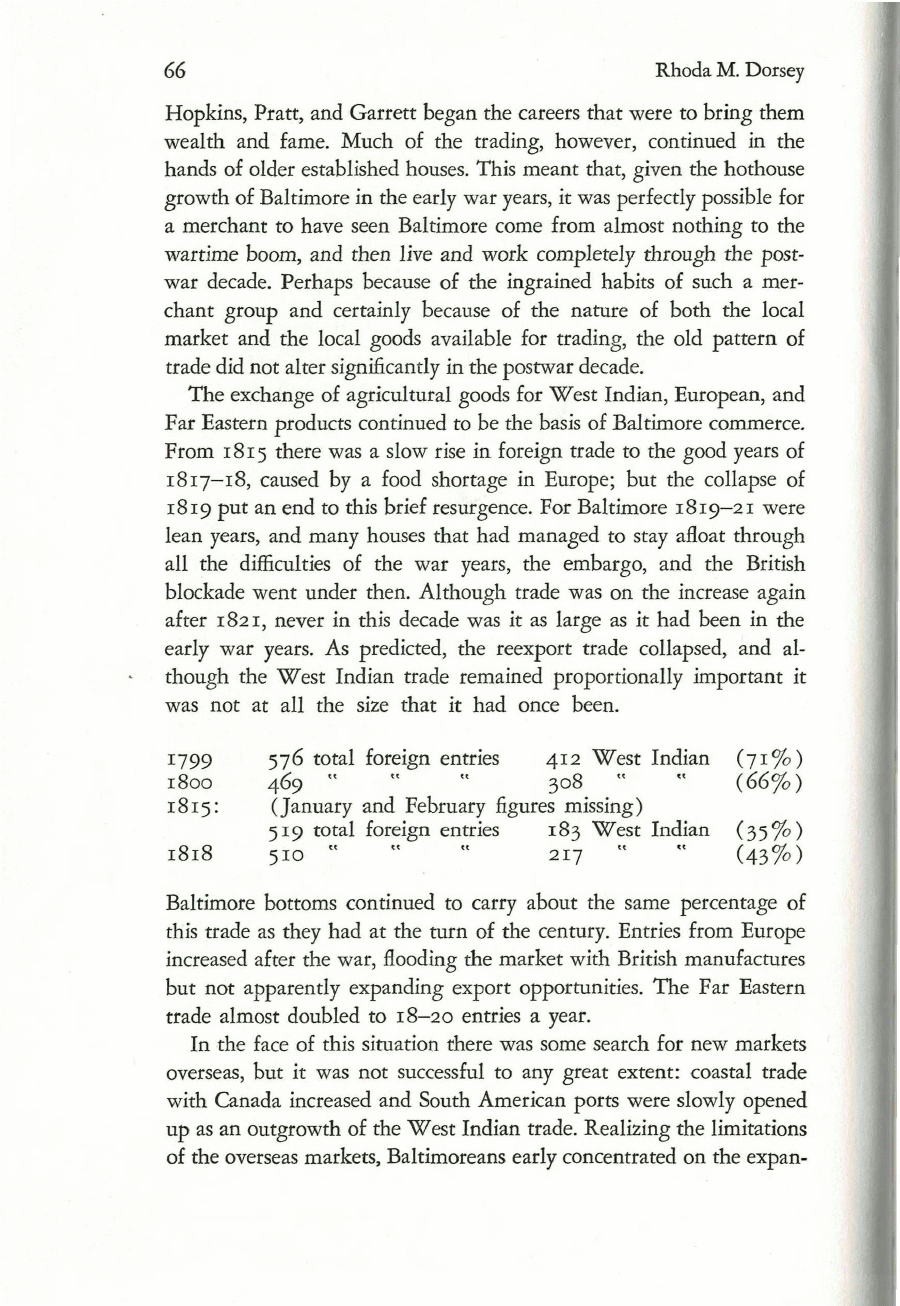
The exchange of agricultural goods for West Indian, European, and Far Eastern products continued to be the basis of Baltimore commerce. From 1815 there was a slow rise in foreign trade to the good years of 1817—18, caused by a food shortage in Europe; but the collapse of 1819 put an end to this brief resurgence. For Baltimore 1819-21 were lean years, and many houses that had managed to stay afloat through all the difficulties of the war years, the embargo, and the British blockade went under then. Although trade was on the increase again after 1821, never in this decade was it as large as it had been in the early war years. As predicted, the reexport trade collapsed, and although the West Indian trade remained proportionally important it was not at all the size that it had once been.
1799 576 total foreign entries 412 West Indian (71%)
1800 469 " " " 308 " " (66%) 1815: (January and February figures missing)
519 total foreign entries 183 West Indian (35%)
1818 510 " " " 217 " " (43%)
Baltimore bottoms continued to carry about the same percentage of this trade as they had at the turn of the century. Entries from Europe increased after the war, flooding the market with British manufactures but not apparently expanding export opportunities. The Far Eastern trade almost doubled to 18-20 entries a year.
In the face of this situation there was some search for new markets overseas, but it was not successful to any great extent: coastal trade with Canada increased and South American ports were slowly opened up as an outgrowth of the West Indian trade. Realizing the limitations of the overseas markets, Baltimoreans early concentrated on the expan-
|